

For many people, a professional cleaning about every six months is a common starting point. But how often you should get your teeth cleaned depends on your oral health, history of cavities or gum disease, and how quickly plaque and tartar build up. Your dentist may recommend a different interval based on what they find during your visits.
People with treated gum disease, repeated new cavities, or other factors that raise oral-health risk may need follow-up more often. The schedule should be based on an individual assessment rather than a rule that applies to everyone.
Table of Contents
What determines your cleaning schedule
For people asking how often to get teeth cleaned, a visit about every six months is a familiar starting point, but it is not a fixed requirement for every person. Your dental team can recommend an interval after reviewing your teeth and gums, past dental findings, health history, and home-care routine.
| What the Dental Team Finds | How It May Affect Timing | What the Team Considers |
|---|---|---|
| Stable gums and no pattern of frequent cavities | Six months may be a reasonable starting point; confirm the interval with your dentist. | Exam findings and how much buildup returns between visits. |
| Repeated new cavities, heavy tartar, or ongoing gum inflammation | A shorter follow-up interval may be appropriate. | Cavity history, gum health, and buildup in recurring areas. |
| A history of periodontitis or gum treatment | You may need periodontal maintenance on a schedule set by your dentist or periodontist. | Disease severity, treatment history, and response to care. |
| Diabetes, tobacco use, dry mouth, or medicines that affect saliva | These details may affect your risk assessment and care plan. | Medical history, medications, and current oral-health findings. |
| A child with changing dental needs or higher cavity risk | A pediatric dentist can set visits around the child’s age, development, and risk. | The child’s individual needs and risk indicators. |
This table is a guide for discussion, not a self-diagnosis tool. For children, the AAPD’s preventive-care guidance says intervals should reflect each child’s needs and risk indicators.
How often can you get your teeth cleaned
There is no single maximum number of professional cleanings that applies to everyone. Some people may be advised to come in more than twice a year, particularly when they are receiving follow-up care for gum disease. The American Academy of Periodontology notes that periodontal maintenance depends on factors such as disease severity, bone loss, overall health, and smoking. A periodontal maintenance visit after gum treatment is different from a routine preventive cleaning.
Diabetes does not automatically mean that every patient needs a cleaning every three or four months. The CDC says people with diabetes may need cleanings multiple times a year, depending on their needs. The interval should be discussed as part of the person’s dental care plan.
Dental checkups and cleanings have different purposes
A dental checkup assesses your mouth for problems such as cavities and gum disease. A professional cleaning removes plaque and tartar that home care does not remove. They often happen during the same appointment, but the recommended timing for one does not automatically determine the timing for the other.
This distinction matters when reading research about dental-visit frequency. A Cochrane review compared adult dental checkup schedules, including six-monthly and risk-based intervals. It did not establish the ideal interval for professional cleanings, so its findings should not be used by themselves to decide how often a person should have their teeth cleaned.
When a shorter interval may be considered
Your dentist may suggest more frequent visits if your exam or history shows a reason to monitor or treat your teeth and gums more closely. Relevant details may include:
- A history of gum disease or periodontal treatment
- Repeated cavities or a higher cavity risk
- Tartar that returns quickly in particular areas
- Bleeding, swollen, or tender gums
- Dry mouth, including dry mouth linked to medication
- Diabetes or tobacco use, which should be included in your health history
Bleeding gums, persistent bad breath, loose teeth, or gum swelling merit an assessment rather than waiting for the next routine cleaning. The American Academy of Periodontology lists these among possible signs of periodontal disease.
Routine cleaning and deep cleaning
A routine cleaning removes plaque and tartar from tooth surfaces. If you have periodontitis, your dentist may recommend scaling and root planing, often called a deep cleaning, to treat buildup below the gumline. The procedure and follow-up plan depend on the diagnosis; a deep cleaning is not simply a routine cleaning booked more often.
Appointment length can vary with the amount of buildup and the care being provided. This guide explains factors that affect how long a dental cleaning takes. Sensitivity during treatment can also occur; dental cleaning discomfort has several possible causes.
How to understand your recommended schedule
A useful way to understand the interval is to ask what changed since the last visit and what finding determines the next date. The answer might involve tartar buildup in the same areas, bleeding during gum measurements, a new cavity, or a change in medical history or medication.
At a later visit, compare those findings with the previous ones. If buildup or inflammation has improved, the dental team can reassess the interval. If it persists or worsens, the team can explain whether closer follow-up or a different treatment is needed. This makes the schedule reflect what is happening in your mouth instead of relying on the calendar alone.
Dental cleaning frequency for children
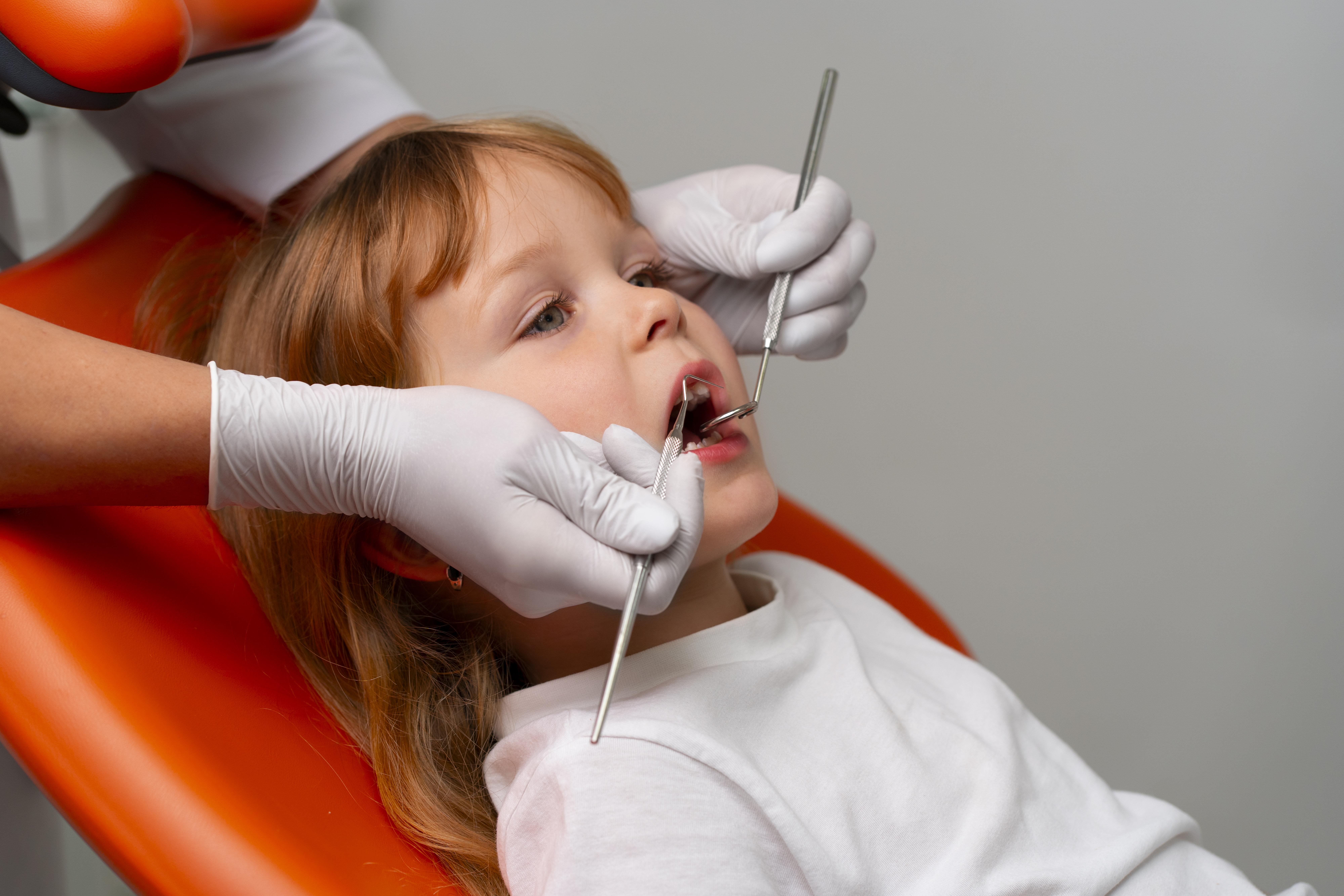
Children’s preventive visits should account for age, development, dental history, and risk of oral disease. A pediatric dentist can determine whether the child’s cleaning schedule should follow a common six-month pattern or be adjusted to the child’s needs. Kakar Dental Group’s kids’ dental cleaning information describes the practice’s pediatric prophylaxis service.
Frequently asked questions
How often should you get your teeth cleaned if your teeth are healthy?
How often can I get my teeth cleaned?
Can you get your teeth cleaned too often?
How often should children get their teeth cleaned?


Comments are closed.