
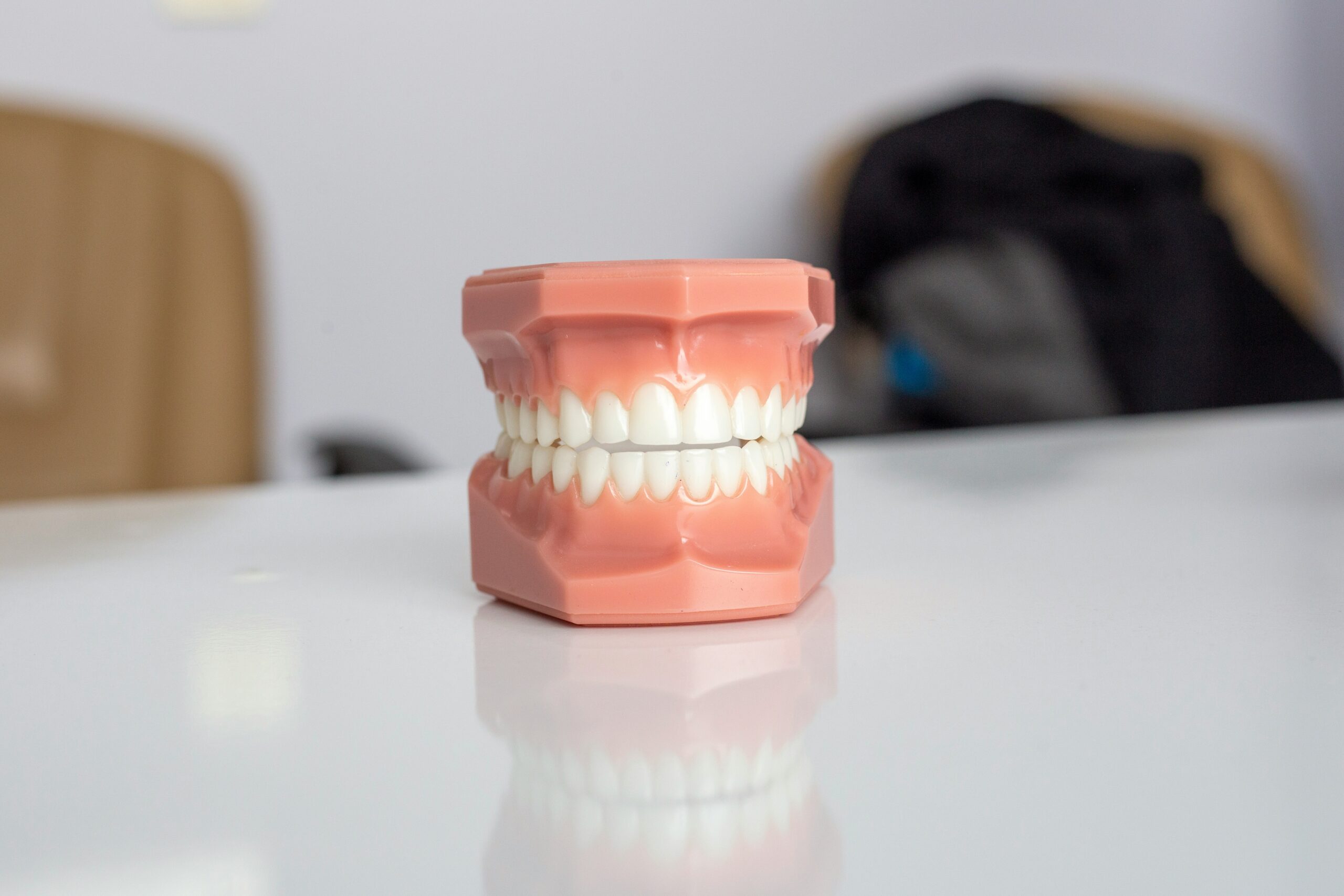
Does oil pulling whiten teeth? There’s no reliable evidence that swishing oil changes the natural color of teeth or whitens them. Oil pulling is an old oral-care practice that involves swishing edible oil around the mouth and spitting it out. Although it is often promoted as a low-cost way to whiten teeth, it should not replace brushing with fluoride toothpaste, flossing, or evidence-based whitening care.
Table of Contents
What Is Oil Pulling for Teeth?
Oil pulling is a traditional practice associated with Ayurvedic medicine. It involves swishing an edible oil—commonly coconut, sesame, sunflower, or olive oil—around the mouth before spitting it out. The time varies by routine, and there is no established oil-pulling duration proven to whiten teeth.
People try oil pulling for teeth because it is inexpensive and easy to do at home. Online posts also claim that it removes stains, but those claims are different from evidence that a practice actually changes tooth color.
Oil Pulling Teeth Whitening: What Does the Evidence Show?
Oil pulling is not a proven teeth-whitening method. The American Dental Association says there is not enough evidence to show that oil pulling whitens teeth or reverses gum disease. Swishing edible oil is unlikely to be harmful for most people, but it should not take the place of brushing, flossing, or dental care.
Oil pulling also works differently from whitening products. Some whitening toothpastes mainly help remove surface stains, while peroxide-based products can alter tooth color. A dental professional can help identify the cause of discoloration and discuss suitable options.
| Approach | What It May Do | What to Know |
|---|---|---|
| Oil pulling | No proven whitening effect | Do not use it instead of brushing, flossing, or dental treatment |
| Professional dental cleaning | Removes plaque and tartar, and may remove some external stains | It does not change a tooth’s natural color |
| Whitening toothpaste | May help remove some surface stains | It may not affect deeper or intrinsic discoloration |
| Dentist-guided whitening | May lighten natural tooth color | The right option depends on the cause of discoloration and the patient’s oral health |
The distinction matters: a cleaning can help remove buildup and some surface stains, while bleaching aims to change tooth color. A dental exam can help determine which approach fits the type of discoloration.
What Can You Do Instead of Oil Pulling to Whiten Teeth?
If your goal is a brighter smile, focus on routine care and find out what is causing the discoloration before trying a whitening product.
- Brush twice a day for two minutes with fluoride toothpaste and clean between your teeth daily.
- Ask a dentist whether the discoloration is from surface stains or another cause. For example, teeth can look yellow even with regular brushing for several different reasons.
- Keep up with dental visits. The right interval depends on your oral health; this guide explains how often to schedule professional dental cleanings.
- Ask a dentist whether a whitening toothpaste or another whitening option is appropriate for you.
A professional cleaning can support oral health and remove some external stains, but it is not the same as a whitening treatment. Whitening products can also cause sensitivity or gum irritation, so it is useful to discuss the options before starting.
FAQs About Oil Pulling and Teeth
Can oil pulling whiten teeth?
Can oil pulling remove yellow stains?
Is oil pulling safe for your teeth?