
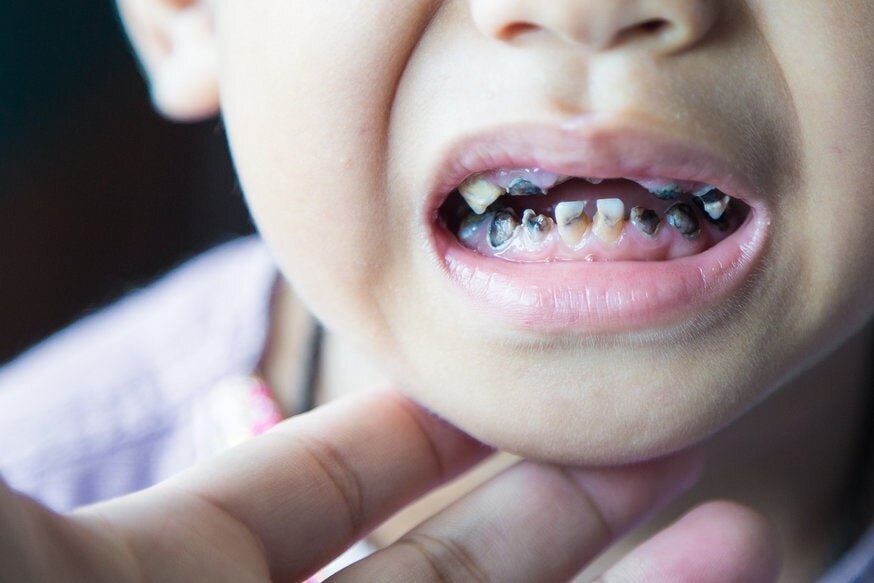
Preventing tooth decay or any type of oral disorders in kids can help them later in life. As per the statistics available on the internet, approximately 25% of children experience the problem of tooth cavity by the age of four. The main reason behind the tooth decay is the presence of bacteria in the mouth that fed on the sugar. If kept unnoticed or ignored, these bacteria keep growing and gradually start eating away the enamel of the teeth. So, if you want to prevent tooth decay in your kids, then stop or limit the consumption of sugary food and make them follow a strict oral care routine.
Table of Contents
What Causes Tooth Decay in Kids?
Understanding what causes tooth decay in children helps parents take early steps to prevent cavities before they become serious dental problems. Kids tooth decay usually begins when bacteria in the mouth feed on sugars from food and drinks and produce acids that gradually weaken tooth enamel. Because children’s enamel is thinner and more sensitive than adult enamel, cavities can develop more quickly if daily oral hygiene habits are inconsistent.
Several common risk factors increase the likelihood of tooth decay in children, including:
- frequent sugary snacks or drinks (especially juice and candy)
- going to bed with a milk or juice bottle
- incomplete or improper brushing habits
- sticky foods that stay on teeth longer (like crackers or dried fruit)
- limited fluoride exposure
- skipping regular pediatric dental checkups
- frequent snacking throughout the day
- dry mouth or low saliva protection
When these risk factors occur together, the chance of developing cavity teeth kids conditions increases significantly, especially during early childhood when brushing skills are still developing. Recognizing these causes early helps parents reduce the risk of kids tooth decay and support stronger, healthier teeth as children grow.

Signs of Tooth Decay in Kids
Recognizing the early signs of tooth decay in children helps parents take action before cavities become painful or require more complex treatment. In many cases, kids tooth decay develops gradually and may not cause obvious discomfort at first, which makes early visual changes especially important to notice.
One of the earliest warning signs is the appearance of white spots on the tooth surface. These spots often indicate early enamel weakening before a cavity forms. As the condition progresses, the enamel may begin to discolor and turn yellow, brown, or darker in certain areas.
Common early signs of tooth decay in children include:
- white chalky spots on teeth near the gumline
- sensitivity when eating cold, sweet, or hot foods
- visible discoloration on tooth surfaces
- complaints of mild tooth discomfort during chewing
- bad breath that does not improve with brushing
As kids tooth decay becomes more advanced, symptoms may become easier to recognize. Parents may notice visible holes in the teeth or increased sensitivity when their child eats certain foods. At this stage, treatment is usually necessary to prevent further enamel damage.
More noticeable signs of cavity teeth kids conditions include:
- visible pits or holes in the teeth
- dark brown or black spots on enamel
- pain while chewing
- food frequently getting stuck in the same area
- swelling around the affected tooth
In some cases, children may avoid chewing on one side of the mouth or complain of discomfort while brushing. These behavioral changes can also signal developing tooth decay in children, even when cavities are not yet clearly visible.
Because early-stage cavities are easier to treat and often reversible with preventive care, regular dental checkups remain one of the most effective ways to detect kids tooth decay before it progresses into more serious dental problems.
Early vs Advanced Tooth Decay Signs in Children
The table below helps parents understand the difference between early and advanced signs of tooth decay in children and when treatment may be needed.
| Stage | Common Signs | Pain Level | Action Needed |
|---|---|---|---|
| Early stage | White spots near gumline | Usually none | Improve brushing and fluoride use |
| Developing cavity | Yellow or brown discoloration | Mild sensitivity | Dental check recommended |
| Visible cavity | Pits or holes in teeth | Moderate discomfort | Dental treatment required |
| Advanced decay | Pain while chewing or swelling | Moderate to severe | Urgent dental visit |
If your child is showing signs of tooth decay, schedule an appointment with a Pediatric Dentist at Kakar Dental Group.
How to Prevent Tooth Decay in Kids
Tooth decay in kids is one of the most common dental problems, and this is because they lack the proper coordination to brush their teeth thoroughly on their own. Here are some tips from a Pediatric Dentist at Kakar Dental Group to help you prevent tooth decay in your kids, and they are:
- Routine dental check-ups are the most effective ways to dodge any oral problems at any age. Look for an experienced and friendly kid’s dentist in your surroundings and have your kid’s mouth examined after a regular interval of time. Pediatric dentists are specially trained to look for early signs of tooth decay, and if any symptoms are detected, then treatments will be provided based on the severity of the disorder. Moreover, a kid’s dentist will also suggest a diet plan to keep your kid’s teeth healthy and strong forever.
- If your kid or toddler is still using a bottle, then make sure he/she does not go to bed with a bottle. Before sleeping, ensure your kid has cleaned the teeth because if food particles or sugar are allowed to sit all night, then it can lead to tooth decay.
- Try to limit the consumption of food items that are acidic, sticky, starchy, or sugary. While they can all be enjoyed in moderation, these foods can erode tooth enamel or stick to teeth, allowing the bacteria-eating sugar to eat through tooth enamel.
- Make your child follow a strict oral care routine. If your child is small, then help them to brush their teeth with a soft-bristled toothbrush specially made for a child’s smaller mouth. Teach them how to hold a toothbrush and how to brush their teeth.
- If your child is less than two years old, then try to avoid the use of fluoride toothpaste. Children under two should use a rice-sized strip of toothpaste. For older children, a pea-sized amount is appropriate.
What if Tooth Decay is Found?
After all your attempts, if tooth decay is detected in your child, then take him/her to a pediatric dentist near you. A dentist will suggest the treatment plan after a thorough oral examination. A proper treatment plan will not only protect the decayed tooth, but it will also prevent the growth of bacteria. To learn more about a pediatric dental filling, please visit our website
Establishing good dental care health habits at an early age will avoid tooth decay, and the habits your kids learn will stay with them forever. With a little guidance and attention, you can help your child go from childhood to adolescence without ever hearing the buzz of a dentist’s drill.
To make an appointment with a pediatric dentist in Falls Church, please call us at 703-534-1611 or click here to request an appointment online.
Frequently Asked Questions About Tooth Decay in Kids
How to prevent tooth decay in kids?
What causes tooth decay in kids?
How do you know if your child has tooth decay?



Comments are closed.