Bad breath in children commonly begins in the mouth, where bacteria break down food debris and plaque on the teeth and tongue. A dry mouth, cavities, and gum problems are also frequent contributors, and in some causes the source lies in the nose, the throat, or elsewhere in the body.
Morning breath that clears after brushing is rarely a concern. Odor that persists, worsens, or appears alongside pain, swelling, or fever should be evaluated by a professional rather than managed as a hygiene issue alone.
Table of Contents
Common Causes of Bad Breath in Children
The causes of bad breath in children range from the routine to the clinically important. Yet, research in children is limited. In one Brazilian study of 150 children ages 6 to 12, examiners detected halitosis, or chronic bad breath, in 17.3%, and it was associated with dental caries, plaque, and tongue coating. The table below summarizes the main possibilities.
| Possible Cause | Clues Parents May Notice | Appropriate Next Step |
|---|---|---|
| Plaque and tongue coating | White or yellow film on the tongue; odor that improves after brushing | Supervise brushing and clean the tongue gently |
| Trapped food debris | Odor after meals; food lodged between teeth or around braces | Clean between the teeth daily |
| Dry mouth | Sticky mouth, cracked lips, strong morning odor | Offer water; mention ongoing dryness to a clinician |
| Tooth decay or gum inflammation | Toothache, a dark spot or hole, red or bleeding gums | Schedule a dental visit |
| Mouth breathing | Open-mouth sleeping, snoring, ongoing congestion | Raise it with the pediatrician or dentist |
| Tonsil or throat symptoms | Sore throat, swollen tonsils, fever | Contact the pediatrician |
| Object in the nose (young children) | Foul-smelling discharge from one nostril | Seek prompt medical care; do not attempt removal at home |
Oral Hygiene, Tongue Coating, and Food Debris
When parents ask what causes bad breath in children, the answer often involves bacteria. Bacteria feed on food particles left on and between the teeth and release odorous compounds. The uneven surface of the tongue traps bacteria as well, which is why a child who brushes regularly can still have noticeable odor.
Thorough brushing, cleaning between the teeth, and gentle, age-appropriate tongue cleaning may help. A regular pediatric dental cleaning removes hardened plaque that a toothbrush cannot.
Cavities, Gum Problems, and Dental Infection
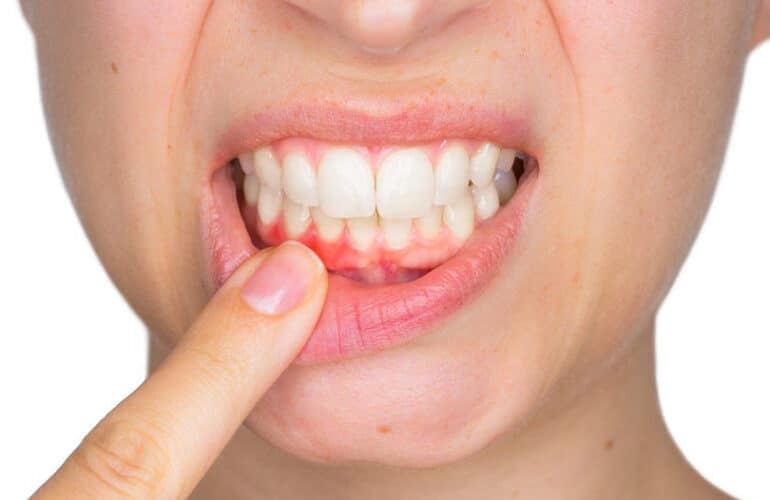
Tooth decay, gum inflammation, and dental infection are a common cause of bad breath in children that brushing alone will not resolve. Decay creates spaces where bacteria and food collect, and inflamed gums can bleed and leave a persistent unpleasant taste. Signs to watch for include tooth pain, swollen or bleeding gums, a visible cavity, or a pimple-like bump on the gum. Because tooth decay in kids does not heal once a cavity has formed, these signs warrant a dental visit.
Dry Mouth, Mouth Breathing, and Illness
Saliva continuously rinses the mouth, so anything that reduces it can intensify odor. As the Mayo Clinic explains, saliva flow slows during sleep, which leads to morning breath, and the mouth dries further when a child sleeps with it open. Dehydration, nasal congestion, certain medicines, and habitual mouth breathing are all possibilities.
When considering bad breath in children causes beyond the teeth, attention should turn to the nose and throat. Postnasal drip, tonsil stones, and sinus or throat infections can each produce odor, and reflux or other medical conditions are also possible. Persistent nasal or throat symptoms deserve medical review.
What Parents Can Do at Home
These steps may reduce odor, but results depend on the underlying cause.
- Supervise brushing twice a day with fluoride toothpaste. The American Academy of Pediatric Dentistry advises a tiny smear for the youngest children and a pea-sized amount from ages three to six.
- Clean between the teeth daily once two teeth touch, as the American Dental Association advises.
- Offer water throughout the day, particularly after meals.
- Clean the tongue gently with a soft toothbrush if the child tolerates it.
- Review snack and bedtime habits: limit frequent sugary snacks and offer only water after evening brushing.
A few approaches are best avoided:
- Do not give adult mouthwash without professional guidance. The American Dental Association states that children younger than six should not use mouthrinse unless a dentist directs it.
- Do not mask persistent odor with mints, gum, or sweets.
- Do not ignore pain, swelling, or bleeding.
When Bad Breath in a Child Needs a Dentist or Doctor
Odor that persists despite consistent home care should be assessed; accompanying symptoms indicate where to begin. Dental signs point to the dentist: toothache, bleeding or swollen gums, visible decay, or a bad taste or drainage in the mouth. Medical signs point to the pediatrician: persistent congestion, sore throat, fever, or foul-smelling discharge from one nostril, which the Merck Manual lists among the signs of an object lodged in the nose.
At a dental visit, the dentist typically examines the teeth, gums, plaque levels, tongue, and the pattern of erupting teeth. X-rays are taken only when clinical findings call for them. If the mouth is healthy, the dentist may refer the family to a physician.
Families with concerns about a child’s breath are welcome to schedule an evaluation with Kakar Dental Group. The practice cares for children at its Tysons, Falls Church, Manassas, and Fredericksburg locations, and parents can book with us today.
Frequently Asked Questions
What Is the Best Toothpaste for Gingivitis and Bad Breath?
What Causes Bad Breath in Children?
Why does my child’s breath smell bad even after brushing?
Can cavities cause bad breath in children?
Can dehydration cause bad breath in kids?