Baby bottle tooth decay, also known as early childhood caries or nursing bottle caries, is one of the most common dental conditions affecting young children. In fact, national data from the CDC reported in 2024 showed that nearly 1 in 10 children aged 2 to 5 have decay that has gone untreated in their primary teeth.
When left untreated, tooth decay can unfortunately progress quickly, causing tooth pain, difficulty eating, infection such as a dental abscess or facial swelling, and even affecting the development of permanent teeth.
At Kakar Dental Group, our pediatric dentistry team provides gentle, family-centered care for children with early tooth decay. Whether you have noticed white spots on your child’s teeth, visible cavities, or signs of discomfort, an early evaluation allows the pediatric dentist to recommend the most appropriate treatment plan based on your child’s individual needs.
We understand that visiting the dentist can feel stressful for both children and parents. Our goal is to create a calm, welcoming environment where families know they will be listened to, receive clear explanations, and where each child benefits from customized care every step of the way.
Request your child’s dental appointment to discuss any concerns about tooth decay before the condition becomes more difficult to treat.
Table of Contents
Decayed Baby Teeth: Early Evaluation and Prevention Planning Are Key
Every child is different, but one thing is certain: when tooth decay is detected early, treatment may be simpler and less invasive.
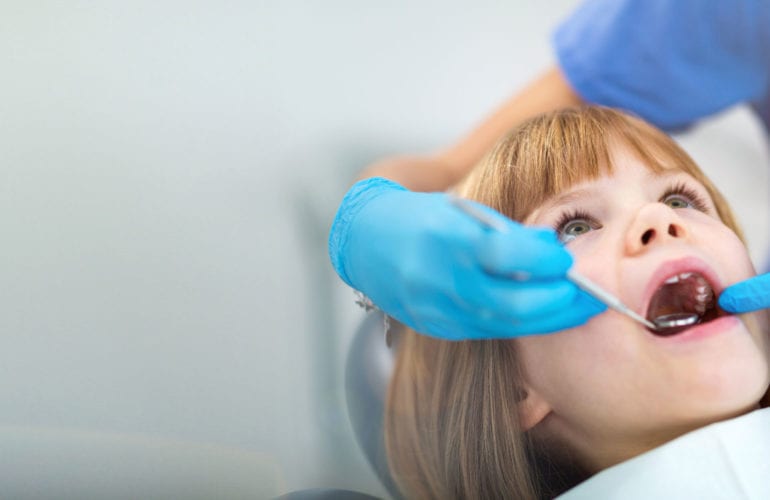
After examining your child’s teeth, discussing symptoms, and reviewing dental imaging such as dental X-rays when appropriate, the pediatric dentist will recommend a treatment plan based on the extent of decay, overall oral health, and your child’s comfort needs.
During the dental examination, the dentist evaluates early enamel changes, cavity risk, feeding habits, and oral hygiene, along with other factors that may contribute to decay, including bottle feeding patterns and frequent or prolonged exposure to juice, sugar water, soft drinks, or sweetened breast milk or formula left in contact with the teeth.
When appropriate, fluoride treatment may also be recommended as part of a preventive dental care plan to help strengthen tooth enamel, support remineralization, and reduce the risk of future cavities. In some cases, silver diamine fluoride, dental sealants, or fluoride supplementation may be considered as additional tools for managing early childhood caries.
Research supports this approach: a large-scale review of clinical trials published in 2013 by the Cochrane Database of Systematic Reviews, titled “Fluoride varnishes for preventing dental caries in children and adolescents,” found that fluoride varnish reduces decay in baby teeth by an average of 37%, making it one of the most effective preventive tools available for young children.
If a cavity has already damaged a baby tooth, restorative treatment may help preserve the primary tooth until it is naturally ready to fall out.
Depending on the individual situation, treatment options may include a tooth-colored dental filling or a pediatric dental crown. The most appropriate recommendation depends on the examination findings and, when needed, additional dental imaging.
More advanced decay sometimes affects the inner portion of the tooth. In these situations, the dentist may recommend pulp therapy, such as a pulpotomy or pulpectomy, or another treatment designed to preserve the tooth whenever clinically appropriate.
One rule to remember: parents should never hesitate to contact the practice promptly if a child develops persistent tooth pain, facial swelling, fever, or any other signs of a dental infection or dental abscess.
Trust Kakar Dental Group With Your Child’s Smile
Early detection and attentive infant oral care make all the difference in treating baby bottle tooth decay gently and effectively. The pediatric dentistry team at Kakar Dental Group welcomes families to our offices in Tysons, Falls Church, Manassas, and Fredericksburg for compassionate evaluations and personalized treatment plans. Request an appointment online or call us today to get started.